


Phone Grades Explained: How Phone Grading Works in Wholesale
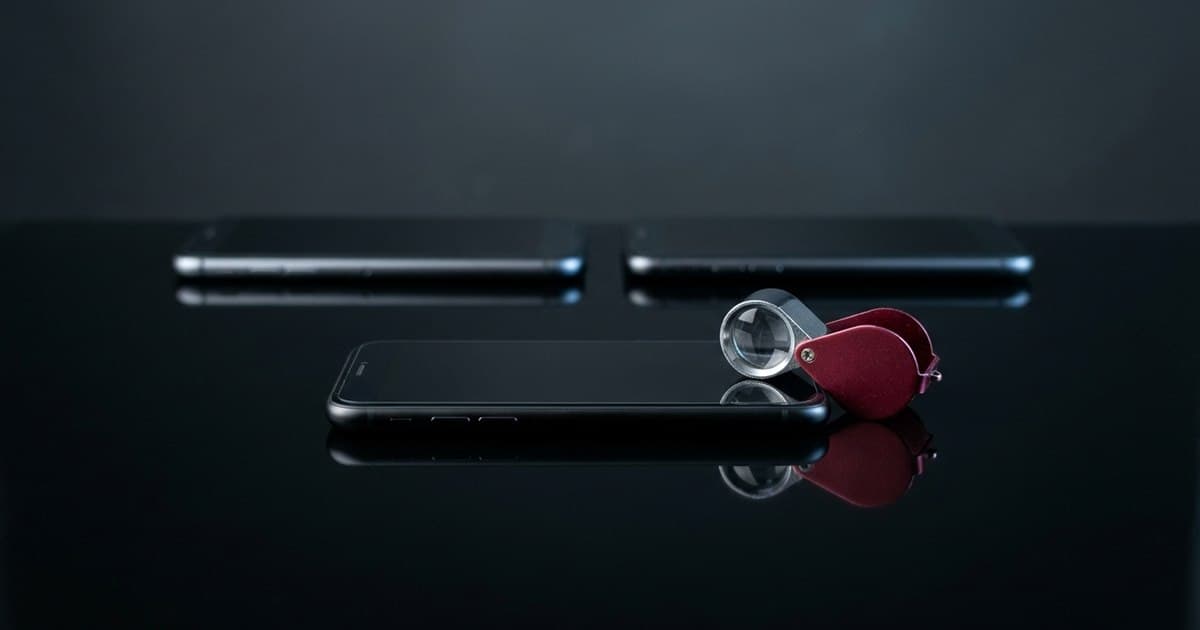
Phone grades are labels that describe the cosmetic and functional condition of a pre-owned phone, so that buyers and sellers can agree on what a lot contains without inspecting every unit. A Grade A phone and a Grade C phone may be the same model, but they sell at very different prices and suit very different customers.
This guide explains the grades used in wholesale electronics across Europe, how phone grading is carried out, why one supplier's Grade A can differ from another's, and how to write grade requirements that leave no room for argument.
Why Phone Grades Matter
In the used and refurbished trade, phones are bought in lots of tens or thousands of units. Nobody can check each device before paying, so the grade is the main description the buyer relies on. It affects:
- Price: the gap between two grades of the same model can be a large share of the unit price
- Resale channel: high grades suit retail and online shops, lower grades suit repair, export or parts
- Returns: phones sold with the wrong grade come back, and the cost falls on someone
A clear grade definition protects both sides of the deal. It is the first thing to agree, before price.
Common Phone Grades in Wholesale
There is no official European or global grading standard. Most traders use a scale similar to the one below, although the names and exact limits vary:
- Grade A+ or Pristine: no visible signs of use, often close to new
- Grade A: very light marks that are hard to see at normal viewing distance; screen free of scratches
- Grade B: light scratches or small marks on the frame or back; minor screen marks that are not visible when the screen is on
- Grade C: clear signs of use such as deeper scratches, scuffs or small dents; still fully working
- Grade D or faulty: cracked parts, heavy damage or functional faults; usually sold for repair or parts
Some suppliers add half grades such as A- or B+, and some retail-facing sellers use words instead of letters, for example Excellent, Very Good and Good. When the words change, the underlying limits usually change too.
Cosmetic Grade vs Functional Condition
A cosmetic grade describes how the phone looks. It does not, on its own, tell you whether the phone works. That is why most lots are described with two separate pieces of information:
- The cosmetic grade, for example Grade B
- The functional status, for example fully tested and working, untested, or faulty
A refurbished Grade C phone should work perfectly, while an untested Grade A phone may look perfect but have a fault. Always check both. For tested and warranted stock, see our guide to wholesale refurbished phones. For phones sold as found, read our guide to used wholesale mobile phones.
How Phone Grading Is Done
Professional graders follow a fixed routine so that results are repeatable across thousands of units. A typical phone grading process looks like this:
- Clean the device so that dirt is not mistaken for scratches
- Inspect the screen under bright, even light, first switched off and then on
- Check the frame, corners and back panel at a set viewing distance, often around arm's length
- Record marks by size and location, for example scratches on the screen versus the frame
- Run functional tests if the lot is sold as tested
- Assign the grade and record it against the IMEI or serial number
Battery health is usually recorded separately rather than built into the cosmetic grade. If battery condition matters for your customers, ask for it as its own figure.
Why One Supplier's Grade A Is Another's Grade B
Because grading is not standardised, the same phone can receive different grades from different companies. The main differences are:
- How much screen wear is allowed in each grade
- Whether marks are judged on the screen only or on the whole device
- The viewing distance and lighting used during inspection
- Whether replaced parts or non-original screens are allowed in higher grades
This is why price lists from two suppliers cannot be compared on grade letters alone.
What About CPO and Manufacturer Refurbished?
CPO stands for Certified Pre-Owned. It is a term some manufacturers, carriers and large sellers use for devices refurbished and certified under their own programme, usually with a defined warranty. CPO stock is not graded in the usual A, B, C way; the certification itself is the quality promise. When a lot is described as CPO, ask which programme certified it and what the warranty covers.
How to Compare Grades Between Suppliers
- Ask each supplier for its written grade definitions
- Request photos or a short video of real units from the lot, not stock images
- Ask what share of the lot falls into each grade
- Agree on what happens if units arrive below the stated grade
- Order a small first lot before committing to a large one
Suppliers who quote on tenders can make this easier by including their grade definition in every offer. Our guide on how to win tenders explains why buyers favour offers that are easy to compare.
Grade A Phones and Other Requirements in a Tender
When you publish a request on Moberca, the grade is one of the most important fields. A precise request might read: 500 units of a named model, 128 GB, EU specification, Grade A, fully tested, minimum battery health stated, 12-month warranty.
Moberca is a B2B wholesale platform for consumer electronics where verified buyers and suppliers trade through digital tenders. Because every supplier answers the same specification, grades, prices and documents can be compared side by side. Browse the open tenders to see how other buyers describe their requirements, or create a buyer account to publish your own. Before paying a new supplier, it is also worth running the checks in our article on how to verify a wholesale electronics supplier.
Frequently Asked Questions
What are phone grades?
Phone grades are labels that describe the cosmetic condition of a pre-owned phone, from near new to heavily used or faulty. They help buyers and sellers agree on what a lot contains.
What does Grade A mean for phones?
Grade A usually means very light marks that are hard to see at normal viewing distance and a screen free of scratches. Exact limits vary between suppliers.
Is there an official phone grading standard?
No. There is no single official standard, so each supplier uses its own definitions. Always compare written definitions and photos.
Does a phone grade show whether the phone works?
Not on its own. A grade describes appearance. Functional status, such as fully tested or faulty, is a separate piece of information.
What is the difference between Grade A and CPO phones?
Grade A describes cosmetic condition. CPO, or Certified Pre-Owned, means the device was refurbished and certified under a specific programme, usually with a defined warranty.
Ready to Source Wholesale Electronics?
Join Moberca and start sourcing wholesale electronics through verified B2B tenders. Competitive pricing, transparent process, global reach.
Get StartedRelated Articles
How to Verify a Wholesale Electronics Supplier Before Trading
A single unverified deal can result in counterfeit stock or a seller who disappears after payment. This guide covers the practical checks every buyer should run.

Mobile Phone Distributors in the UK: How to Choose the Right Supplier
Mobile phone distributors in the UK supply handsets in volume to retailers, resellers, repair shops and corporate buyers. This guide helps you tell them apart and sets out the checks to run before opening an account.

Mobile Phone and Laptop Auctions vs B2B Tenders: Which Is Better for Trade Buyers?
Mobile phone auctions and laptop auctions are a popular way to buy used, returned and surplus devices in the UK. This guide explains how both auctions and B2B tenders work and how to decide which suits your business.