


Buying Mobile Phones in Bulk for Your Business: A Guide for Companies
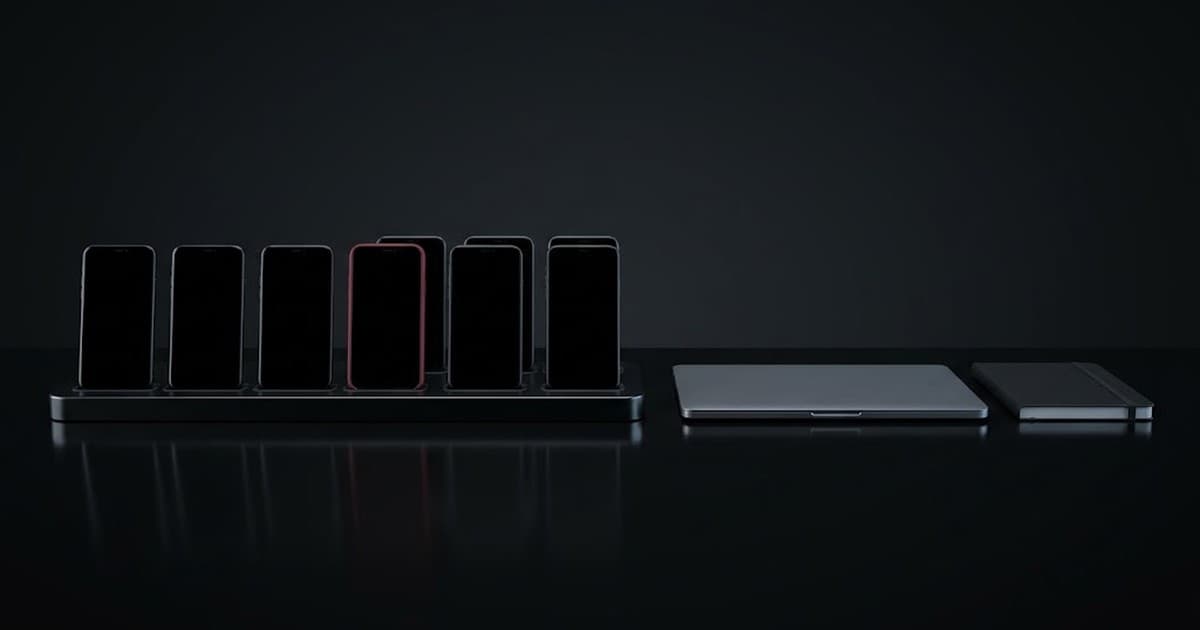
Companies buy mobile phones in bulk to equip sales teams, field engineers, drivers, shop staff and office workers. Buying wholesale smartphones for an enterprise is different from buying for resale. The goal is not margin, but a reliable fleet of devices that is secure, easy to manage and supported for years.
This guide is for procurement teams, IT managers and business owners. It covers how to choose models, what to agree on security and device management, how to compare total cost and how to run a purchase that several suppliers can bid on. For the general wholesale market, see our guide to wholesale mobile phones.
Why Companies Buy Phones in Bulk
- Lower unit price than buying devices one at a time
- Standard devices that are easier to support and replace
- Faster onboarding when phones arrive ready to use
- Better control over security and company data
- Planned replacement instead of ad hoc purchases
Step 1: Define What Your Staff Need
Group your users by role before choosing models.
| User group | Typical need |
|---|---|
| Office staff | Email, messaging, video calls |
| Sales teams | Good camera, long battery, strong performance |
| Field workers | Rugged design, long battery, outdoor screen |
| Warehouse and logistics | Rugged design, barcode scanning |
| Managers and executives | Premium models with long update support |
Most companies settle on two or three standard models rather than one for everyone.
Step 2: Choose Models With Long Support
For a business fleet, the length of software support matters as much as the hardware.
- Ask how many years of security updates each model is expected to receive.
- Prefer recent models so the fleet stays supported for its whole life.
- Check that the models work with your company's apps and systems.
- Consider premium devices for long-term use. Our guide to iPhone wholesale covers the checks for premium stock.
Step 3: Plan Security and Device Management
Most companies manage business phones through a mobile device management system, which lets IT install apps, enforce passcodes and wipe a lost phone remotely.
- Ask whether the supplier can register devices for automatic enrolment, so phones join your management system when they are first switched on.
- Agree who sets up the devices: the supplier, your IT team or a third party.
- Decide which apps and settings are installed before delivery.
- Plan how lost or stolen phones will be locked and wiped.
Step 4: New or Refurbished?
- New phones give the longest support period and full manufacturer warranty.
- Refurbished phones lower the cost and suit roles where the newest model is not needed. Ask for grading criteria, battery health and warranty in writing.
Many companies mix the two: new devices for some roles and refurbished devices for others.
Step 5: Compare Total Cost, Not Unit Price
- Unit price of the device
- Cases, screen protectors and chargers
- Setup and enrolment services
- Warranty and repair cover
- Delivery to one or several locations
- Buyback or recycling value at the end of use
The cheapest phone can become the most expensive one if it needs replacing early or loses support.
Step 6: Plan the Refresh Cycle
- Decide how long devices will stay in use before replacement.
- Agree how old devices will be wiped, collected and recycled or resold.
- Ask suppliers whether they offer buyback of old devices.
- Stagger replacements if replacing the whole fleet at once is too costly.
Common Mistakes in Business Phone Purchases
- Choosing one model for every role, so some staff have devices that do not fit their work
- Buying older models at a low price, then replacing them early when updates stop
- Leaving device setup until after delivery, which delays the rollout
- Forgetting cases and screen protectors, which leads to avoidable repairs
- Having no plan for collecting and wiping old phones
- Comparing unit prices only, without warranty, services and resale value
A short written requirement, agreed by IT, procurement and the teams who will use the phones, avoids most of these problems. It also makes supplier offers far easier to compare, because every bidder answers the same list.
Checks Before Choosing a Supplier
- The company is registered and the VAT number is valid.
- The supplier can show experience with business orders of a similar size.
- Warranty, repair and replacement processes are in writing.
- Delivery times are realistic for the quantity.
- References from other business customers are available.
Our guide on how to verify a wholesale electronics supplier explains these checks.
Running a Business Phone Purchase as a Tender
A business order is well suited to a tender: you write the requirements once and suppliers compete to meet them. Moberca is a B2B wholesale platform for consumer electronics where verified buyers and suppliers trade through digital tenders:
- Create and publish a tender. List the models, quantities, services and delivery locations.
- Receive and compare offers. Suppliers submit offers securely, and you compare pricing, documents and qualifications in one place.
- Select and finalise. Evaluate the proposals, negotiate transparently and close the agreement.
See current requests on the open B2B tenders page.
Frequently Asked Questions
How do companies buy mobile phones in bulk?
They define user needs, choose standard models, agree security and setup requirements, and compare offers from several suppliers, often through a tender.
Should a business buy new or refurbished phones?
New phones offer the longest support and full warranty. Refurbished phones lower the cost and suit many roles. Many companies use both.
What is mobile device management?
It is software that lets a company's IT team set up, secure and remotely wipe business phones.
How long should business phones be kept?
It depends on the model and its update support. Plan replacement before devices stop receiving security updates.
Can suppliers deliver phones ready to use?
Some suppliers can register devices for automatic enrolment and install settings before delivery. Ask during the tender.
What happens to old business phones?
They should be wiped securely, then recycled or resold. Some suppliers offer buyback.
Ready to Source Wholesale Electronics?
Join Moberca and start sourcing wholesale electronics through verified B2B tenders. Competitive pricing, transparent process, global reach.
Get StartedRelated Articles
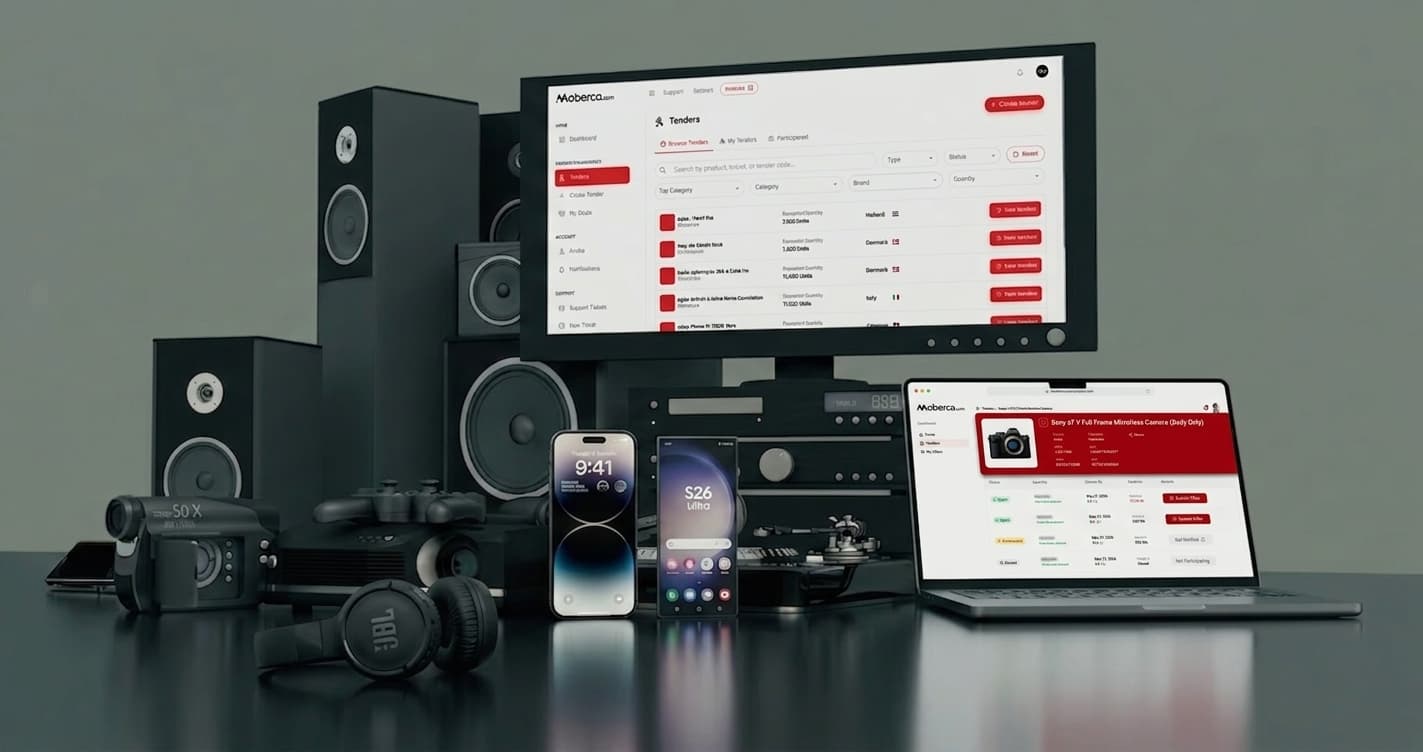
Wholesale Electronics: How to Source in Bulk Through Verified B2B Tenders
Learn how the wholesale electronics market works in the UK and Europe, which product categories move the most volume, what to check before paying a supplier, and how a digital tender lets you compare several offers side by side.
What Is Wholesale Electronics Trading? A Beginner’s Guide
Anyone sourcing electronics for the first time in bulk quantities will run into terms like MOQ, trade pricing, and tenders. This guide breaks it all down.

Wholesale vs Retail Electronics: Key Differences
Order structure, tax treatment, warranty terms, and even how a deal is negotiated all change depending on whether you’re buying wholesale or retail.