


Wholesale Electronics in Europe: How to Buy Across Borders
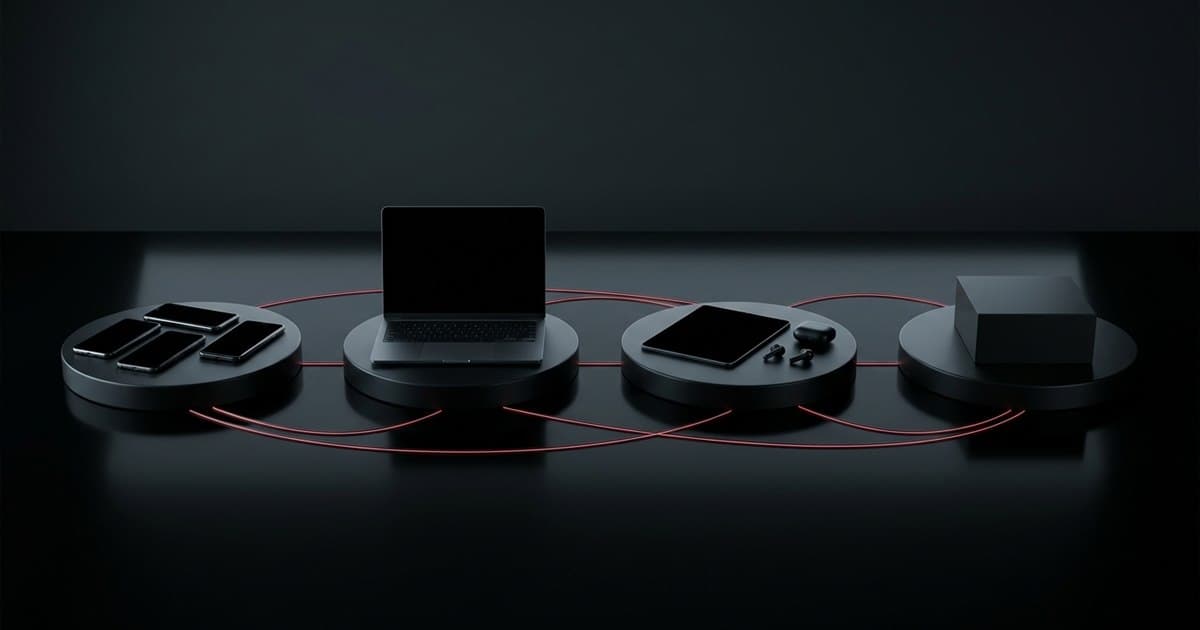
Wholesale electronics in Europe is a cross-border trade in which businesses buy phones, laptops, tablets and accessories in bulk from suppliers in other European countries, usually to find better prices, wider stock or specific models. The opportunity is real, but each border adds questions about specification, tax, delivery and trust.
This guide is for retailers, resellers, repair shops and corporate buyers who want to source electronics beyond their own country. It explains how European markets differ, what to check on VAT and customs, how to agree delivery terms and how to compare suppliers from several countries in one place.
Why Buy Electronics Across Europe?
A buyer who only contacts local suppliers sees only part of the market. Looking across Europe can bring:
- Better prices: the same model can trade at different prices from one country to the next
- Wider availability: a model in short supply locally may be in stock elsewhere
- More choice of condition: new, refurbished and used stock are concentrated in different places
- More competition: more suppliers quoting for the same request usually means sharper offers
For a broader overview of buying channels, see our guide to wholesale electronics.
How European Markets Differ
Europe is not one wholesale market but several connected ones. Without naming individual companies, buyers commonly find these patterns:
- Western Europe: large distribution and logistics hubs, high volumes of new stock and many trade-in and refurbishment programmes
- Central and Eastern Europe: a growing base of refurbishers, distributors and service companies, often with competitive labour costs for testing and repair
- Southern Europe: strong retail markets and regional distributors, with stock that suits local language and plug requirements
These are tendencies, not rules. The right supplier for a given order depends on the model, condition, quantity and destination.
Check the Specification Before the Price
Electronics made for one region do not always suit another. Before comparing prices, confirm:
- Regional version: EU or UK specification, and whether the model supports the mobile network bands used in your country
- Charger and plug type: UK devices use a different plug from most of continental Europe, and many phones now ship without a charger
- Keyboard layout: laptops come with country-specific layouts such as UK, German or French
- Language: packaging, manuals and pre-installed software languages
- Warranty: whether the manufacturer's warranty is valid in your country
For phones in particular, our guide to wholesale smartphones in Europe covers regional versions in more detail.
VAT and Customs Basics
Tax rules are where cross-border deals most often go wrong, so check them before you accept an offer. The main points are:
- Within the EU, sales between VAT-registered businesses in different member states are usually invoiced without local VAT, and the buyer accounts for VAT in its own country. Both companies need valid VAT numbers.
- You can check an EU VAT number in the European Commission's VIES system before trading.
- Between the UK and the EU, goods cross a customs border. Expect customs declarations, import VAT and, depending on the product and its origin, possible duties.
- Agree in writing who handles customs clearance and who pays any import costs.
Mobile phones and other high-value electronics have been targeted by VAT fraud schemes, so a valid, matching VAT number is a basic check, not a formality. VAT rules change and differ by country, so confirm the treatment of your deal with an accountant.
Agree Delivery Terms Clearly
Cross-border offers are only comparable when they use the same delivery terms. Many traders use Incoterms, a set of standard terms that define who pays for and is responsible for transport. Common examples include:
- EXW (Ex Works): you collect from the supplier's premises and handle everything after that
- DAP (Delivered at Place): the supplier delivers to your address; you handle import formalities and costs
- DDP (Delivered Duty Paid): the supplier delivers and covers import duties and taxes
Also agree on insurance, delivery time from payment and what happens if a parcel or pallet arrives damaged.
Checking Suppliers in Other Countries
Distance makes checks more important, not less. Before paying a supplier you have not traded with:
- Look up the company in its national business register
- Validate the VAT number and check that it matches the company name and address
- Make sure the bank account is in the company's name and in the same country, or ask why not
- Ask for trade references from buyers in your region
- Request photos, videos or an IMEI list for the actual stock
- Start with a smaller order
Our article on how to verify a wholesale electronics supplier explains each step. If you mainly buy in the UK, our guide to consumer electronics wholesalers in the UK covers local supplier types.
Sourcing Across Europe With B2B Tenders
Contacting suppliers country by country takes time, and their offers rarely arrive in the same format. A tender solves this by putting one request in front of many suppliers at once.
Moberca is a B2B wholesale platform for consumer electronics where verified buyers and suppliers trade through digital tenders. Buyers state the product, quantity, condition, destination and delivery terms once, and suppliers from different European countries respond with offers that can be compared side by side.
- Publish a tender with your specification, quantity and delivery country. Publishing tenders is part of the Enhanced plan.
- Receive offers from verified suppliers and compare prices, documents, delivery terms and qualifications in one place.
- Ask questions, then select the offer that fits and finalise the agreement.
Browse the open tenders to see what other buyers are requesting, or create a buyer account to publish your own.
Frequently Asked Questions
Is it cheaper to buy wholesale electronics in Europe than locally?
Sometimes. Prices differ between countries, but shipping, VAT treatment, customs and warranty can change the final cost, so compare total landed cost rather than unit price.
Do I pay VAT when buying electronics from another EU country?
Between VAT-registered businesses in different EU countries, the sale is usually invoiced without local VAT and the buyer accounts for VAT at home. Confirm your situation with an accountant.
What changes when buying from the UK into the EU, or the other way round?
The goods cross a customs border, so customs declarations and import VAT apply, and duties may apply depending on the product and its origin.
How do I check a supplier in another European country?
Check the national company register, validate the VAT number, match the bank account to the company and ask for trade references and evidence of stock.
Which delivery terms should I use?
Use terms both sides understand, such as EXW, DAP or DDP, and state them in every offer so that quotes can be compared fairly.
Ready to Source Wholesale Electronics?
Join Moberca and start sourcing wholesale electronics through verified B2B tenders. Competitive pricing, transparent process, global reach.
Get StartedRelated Articles
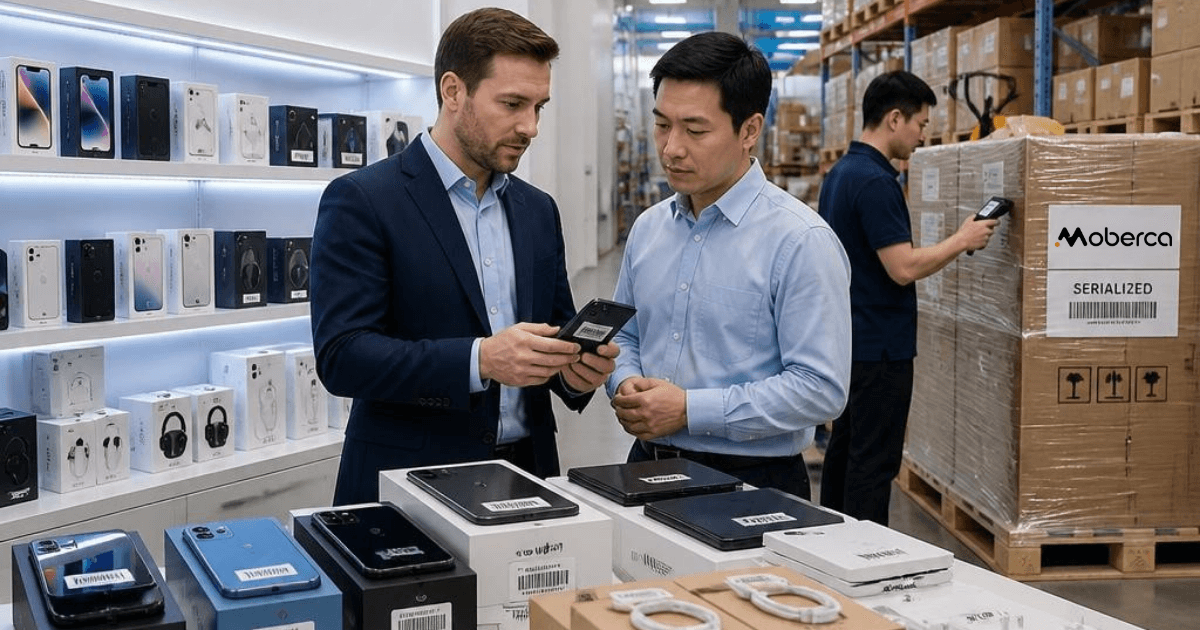
How to Verify a Wholesale Electronics Supplier Before Trading
A single unverified deal can result in counterfeit stock or a seller who disappears after payment. This guide covers the practical checks every buyer should run.
Mobile Phone Distributors in the UK: How to Choose the Right Supplier
Mobile phone distributors in the UK supply handsets in volume to retailers, resellers, repair shops and corporate buyers. This guide helps you tell them apart and sets out the checks to run before opening an account.
Mobile Phone and Laptop Auctions vs B2B Tenders: Which Is Better for Trade Buyers?
Mobile phone auctions and laptop auctions are a popular way to buy used, returned and surplus devices in the UK. This guide explains how both auctions and B2B tenders work and how to decide which suits your business.